


Prostate Cancer Awareness Month: Early detection saves lives
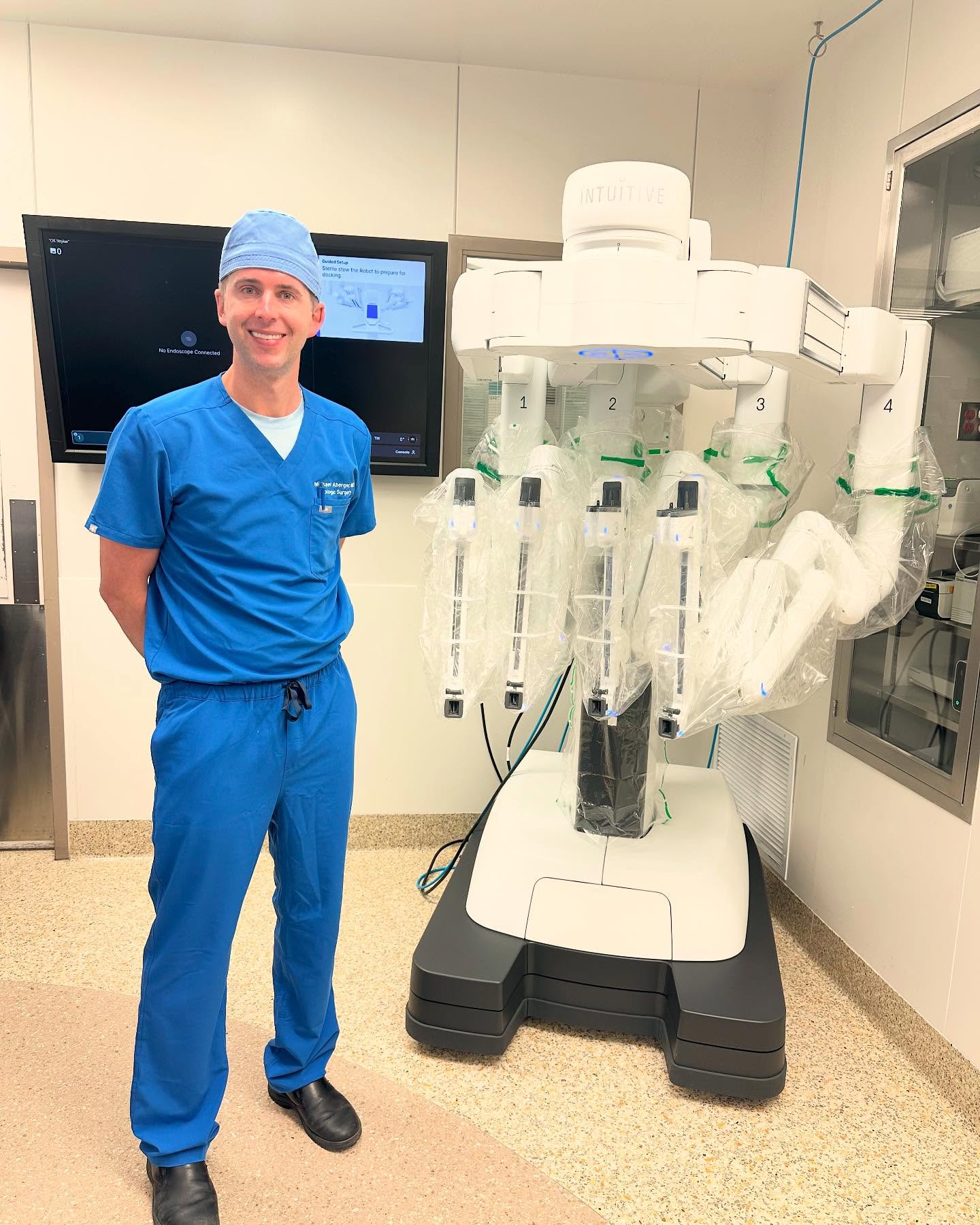
Dr. Michael Aberger, Community Hospital-Fairfax’s Urologist, urges all men to get routine screenings for prostate cancer. (Submitted photo)
By Community Hospital-Fairfax Urologist Dr. Michael Aberger
September is National Prostate Cancer Awareness Month, a time to raise awareness about one of the most common cancers affecting men. For Dr. Michael Aberger, board-certified urologist at Community Hospital-Fairfax in Fairfax, Missouri, the message is clear: routine screening can save lives.
For the past eight years, Dr. Aberger has traveled from St. Joseph, Missouri, to provide urologic care in Fairfax, helping patients access specialty services close to home. A graduate of the Medical College of Wisconsin and residency-trained at the University of Kansas Medical Center, he has practiced urology for more than a decade.
“I was drawn to urology because it’s a perfect balance of cutting-edge surgeries and procedures alongside patient-facing care,” he says.
Dr. Aberger says what keeps him returning to Fairfax is the community itself.
“The staff here genuinely care about patients and the patients are ecstatic about having specialty providers come to them. This hospital is a really special place.”
One patient experience stands out. After being diagnosed with prostate cancer, a patient encouraged his brother, who had similar symptoms, to get checked. “His brother also ended up having prostate cancer,” Dr. Aberger says. “They’re both doing well now.”
Stories like this highlight the importance of awareness and early detection.
Why Prostate Cancer Screening Matters
According to Dr. Aberger, prostate cancer is the most common cancer in men, affecting approximately one in seven men during their lifetime. The good news is that when detected early, it is often highly treatable and curable.
Routine prostate cancer screening should generally begin at age 50. Men at higher risk, including African American men and those with a family history of prostate cancer, should discuss screening with their healthcare provider between ages 40 and 45.
“A lot of times men just don’t think they need to be screened,” he says. “They put it off or dismiss it because they don’t know how common prostate cancer is.”
Understanding the PSA Test
One of the primary tools used to screen for prostate cancer is the PSA (Prostate-Specific Antigen) blood test.
“The PSA test is a simple blood test that helps us identify men who may need further evaluation,” Dr. Aberger explains.
An elevated PSA level does not necessarily mean a man has prostate cancer. PSA levels can also rise because of an enlarged prostate, infection, or inflammation. However, the test provides important information that helps physicians determine whether additional testing is needed.
For many men, the PSA test offers reassurance. For others, it serves as an early warning sign that allows treatment to begin before cancer has a chance to progress.
The Challenge Of Detecting A Silent Disease
One challenge with prostate cancer is that it frequently develops without noticeable symptoms.
“Most of the time, prostate cancer is asymptomatic,” Dr. Aberger says. “The only way to know is to screen for it.”
While cancer itself may not cause symptoms, men should pay attention to changes in urinary function, including:
• Difficulty urinating
• Frequent urination
• Urinary urgency
• Urine leakage
• Painful urination
• Blood in the urine
These symptoms may be related to an enlarged prostate or another urologic condition, but they should always be evaluated by a healthcare provider.
Advances In Screening And Treatment
Prostate cancer diagnosis has changed dramatically during Dr. Aberger’s career. In the past, an elevated PSA often led directly to biopsy. Today, advanced imaging can provide additional information before invasive testing is needed.
“Now, after a PSA, I can order a 3T MRI and get a 3D image of the prostate to determine whether a biopsy is necessary,” he says.
Technological advances have also transformed treatment. Dr. Aberger points to robotic surgery as one of the most significant developments in urology and believes artificial intelligence will play a growing role in surgical planning and cancer treatment in the future.
Looking At Men’s Health As A Whole
Prostate health is only one piece of the puzzle. Dr. Aberger says he is seeing increasing numbers of younger men struggling with erectile dysfunction, low testosterone, and related mental health concerns.
“Hormone issues can affect quality of life in many ways, including mental, sexual, and reproductive health,” he says. “They’re important issues to discuss with your doctor.”
He also encourages men to stay current on preventive healthcare, including colon cancer screening. Too often, men delay care because they view health concerns as another task on an already full list of responsibilities.
“Sometimes they think if they ignore an issue, it might go away on its own,” he says. His advice, “Don’t wait.”
When Should You See A Urologist?
Dr. Aberger recommends routine prostate screenings and encourages patients to schedule an appointment if they experience:
• Blood in the urine
• Difficulty urinating
• Frequent or urgent urination
• Urinary leakage ·
• Changes or lumps involving the testicles
He also notes that urinary incontinence is common among women and should not be dismissed as a normal part of aging.
“If your daily life is planned around trips to the bathroom, it’s time to see your provider,” he says.
Treatments such as pelvic floor therapy and hormone therapy can often provide significant improvement.
Caring For Patients Like Family
For Dr. Aberger, getting to know his patients is one of the most important parts of practicing medicine.
“I want patients to leave feeling that they met with a provider who truly cares and is invested in them and their health,” he says. “I want to get to know my patients on a personal level, because knowing them makes me a better provider for them.”
Outside of medicine, Dr. Aberger enjoys spending time with his wife and three daughters, coaching soccer, golfing, skiing, and traveling.
As National Prostate Cancer Awareness Month reminds us, maintaining good health starts with routine screenings and addressing concerns early. Whether it’s a PSA screening, a urinary symptom, or simply a conversation about men’s health, taking action today can make a meaningful difference tomorrow.
To schedule an appointment with Dr. Aberger, call Community Hospital-Fairfax Outpatient Services at (660) 686-2335.


